


About the Series: Blaxploitation and the Cities That Make Us is a 5-week analytical series exploring the relationship between Blaxploitation protagonists and the communities that shape them. Whether Los Angeles, Harlem, Oakland, or Detroit, these cities are living organisms that influence each protagonist’s identity. Through historical, cultural, and film analyses, this series examines how each project reflects the neighborhoods, struggles, and communities that gave rise to some of Black cinema’s most adored heroes.
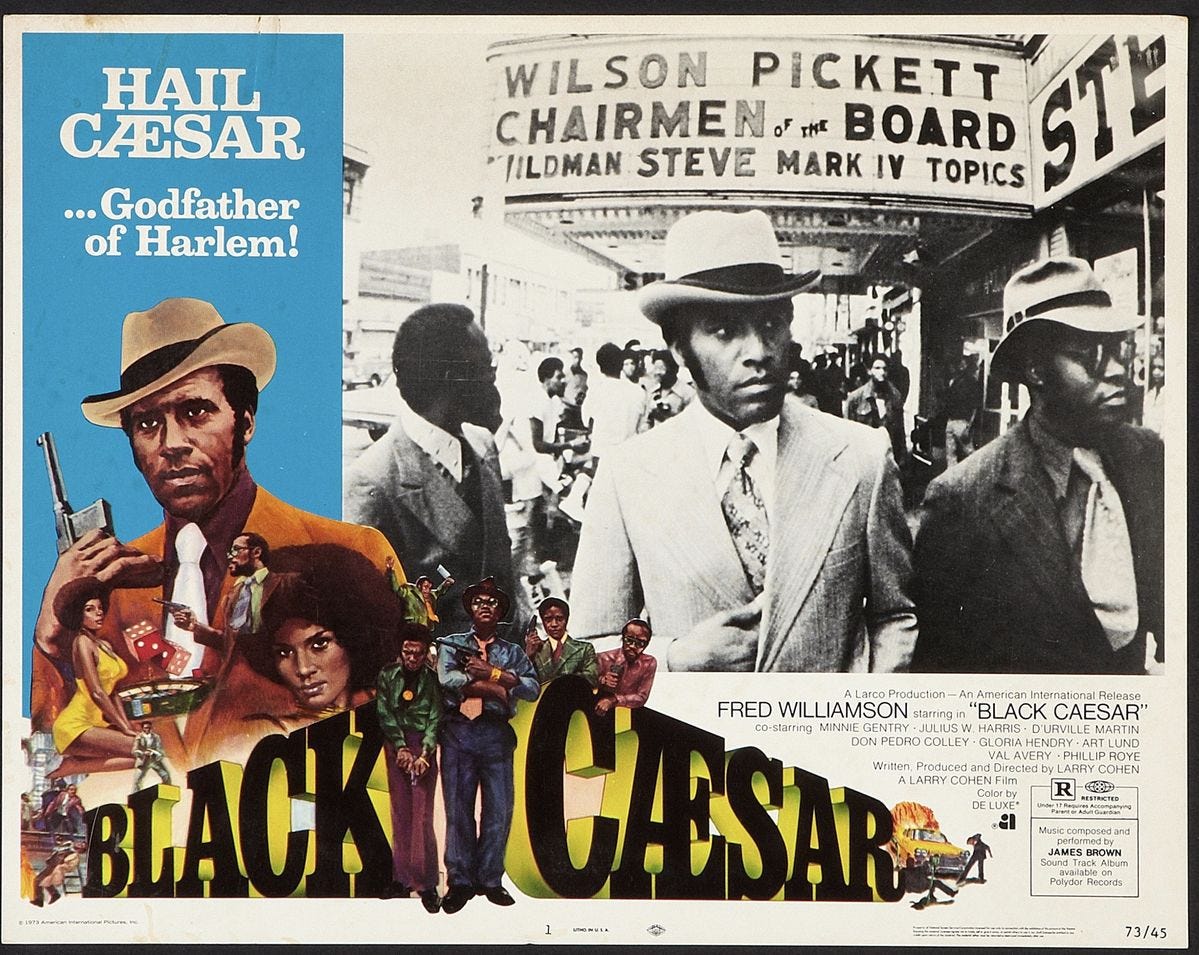
Black Caesar is a gritty Blaxploitation classic that stands above most others in this genre. Fred Williamson’s smooth, cool delivery as the Harlem-native Tommy Gibbs, paired with the familiarity of themes such as religion, revenge, and redemption, cements this film as an undeniable Blaxploitation classic. Set in New York City, Tommy Gibbs runs the streets as a successful mob boss. Tommy’s success hinges on using the city of New York, Harlem, his past residence, and current Harlem residents as stepping stones. He represents the tough, lowdown faction of the City That Never Sleeps, making it both his most successful conquest and his most consequential mistake.
Directed by Larry Cohen, this film takes a colossal bite out of the Blaxploitation genre by tackling racism, political corruption, and crime. Larry successfully captures the reality of Black struggles in the city while paying homage to classic 1930s gangster films. He keeps Black Caesar grounded while aligning it with the sensational nature of the Blaxploitation genre.
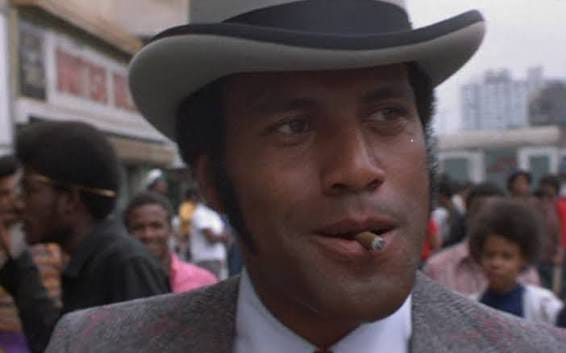
Tommy Gibbs begins working for a prominent city mafioso as a teenager and, after a few stints in prison, eventually rises to become his own mob boss. Using wit and the shield of anonymity, also known as his Blackness, to his advantage, he cons the reigning Italian mafiosos and stakes his claim to a plot of land in Harlem. After going into business with his two friends Joe (Philip Roye) and Reverend Rufus (D’Urville Martin), together the three of them set up satellite mobs across the country in Philadelphia, Chicago, and Detroit. He makes his move toward conquering the city and its culture by securing power and control over his racist adversaries. From holding criminal ledgers over the head of crooked cop McKinney (Art Lund), to using high powered corrupt lawyer Alfred Coleman (William Wellman Jr.), to do his dirty work, to strongarming his way into Cardoza’s (Val Avery) mafia camp, Gibbs has his thumb on the pulse of his city and knows how to cleverly bob and weave through its main lines of defense. Gibbs’ eventual downfall comes by his own hand. Greed, power, and corruption are at the center of his internal conflict as he mistreats his girlfriend, Helen (Gloria Hendry), and his promises to fund and revitalize Harlem with his blood money fall short. He keeps the assets for himself and leaves Harlem in the dust.
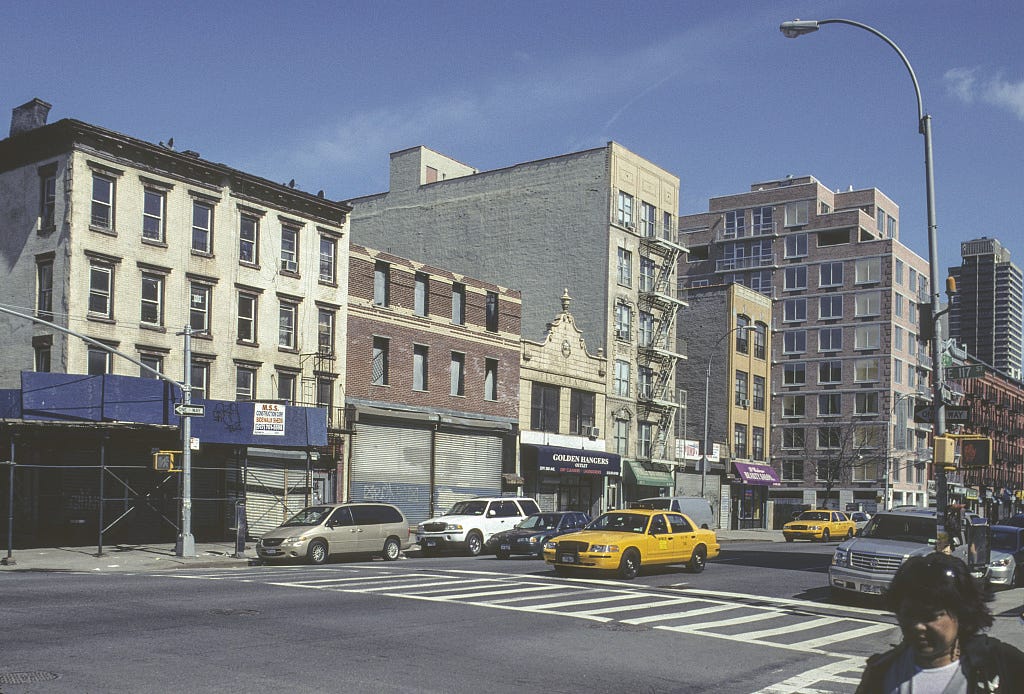
Harlem is not only the backdrop for Gibbs’ criminal empire; it is a community whose history of Black cultural production, economic deprivation, and displacement informs the stakes of his conquest. When housing was opened to Black tenants in Harlem during the early 1900s, it allowed space for one of the most important arts and cultural explosions in American history. From building literary giants to new age jazz and nightlife, Harlem was the heartbeat of New York. Forming a haven for the city’s Black residents, Harlem shifted from proper noun to verb, casting a wide net for those seeking its refuge and cultural capital. Though culturally strong, Harlem has also been a center for deep systemic economic disenfranchisement. By the 1970s, Harlem faced fiscal hardship scarred by property abandonment, retail decline, and failed redevelopment. The residents who escaped poverty contributed to the city’s “Middle-Class Flight,” and those who stayed in Harlem continued to face extensive financial burden.
Harlem’s economic hardship makes Tommy’s promise to uplift the community particularly significant. Rather than using his newfound status to enhance the conditions that shaped him, he ultimately reproduces the same cycle of exploitation. Using New York’s nefarious power players to his advantage, Tommy keeps his boot on the necks of those who once held power over him as he builds his own Black-led empire. Fueled by the need to overpower every white man who denied or racially terrorized him, he ceaselessly overtook their empires, keeping his own sturdy. When he did, he lost his sense of identity. Corruption replaced the space in his heart that had previously been reserved for Harlem. While he conquered the city, he neglected his inner need: to nurture a younger version of himself, the one who had never had the opportunity to thrive in a merciless city. Gibbs’ reign ultimately comes to an end by his own hand, when he is robbed and beaten to death, presumably by Black Harlem street kids much like the one he once was. His downfall serves as a form of poetic justice, bringing a man who rose from nothing to everything back to the very conditions he spent his life trying to escape. Just as the city gives, the city takes.
Ah yes. . .another banger to add to my Tubi queue! 😉